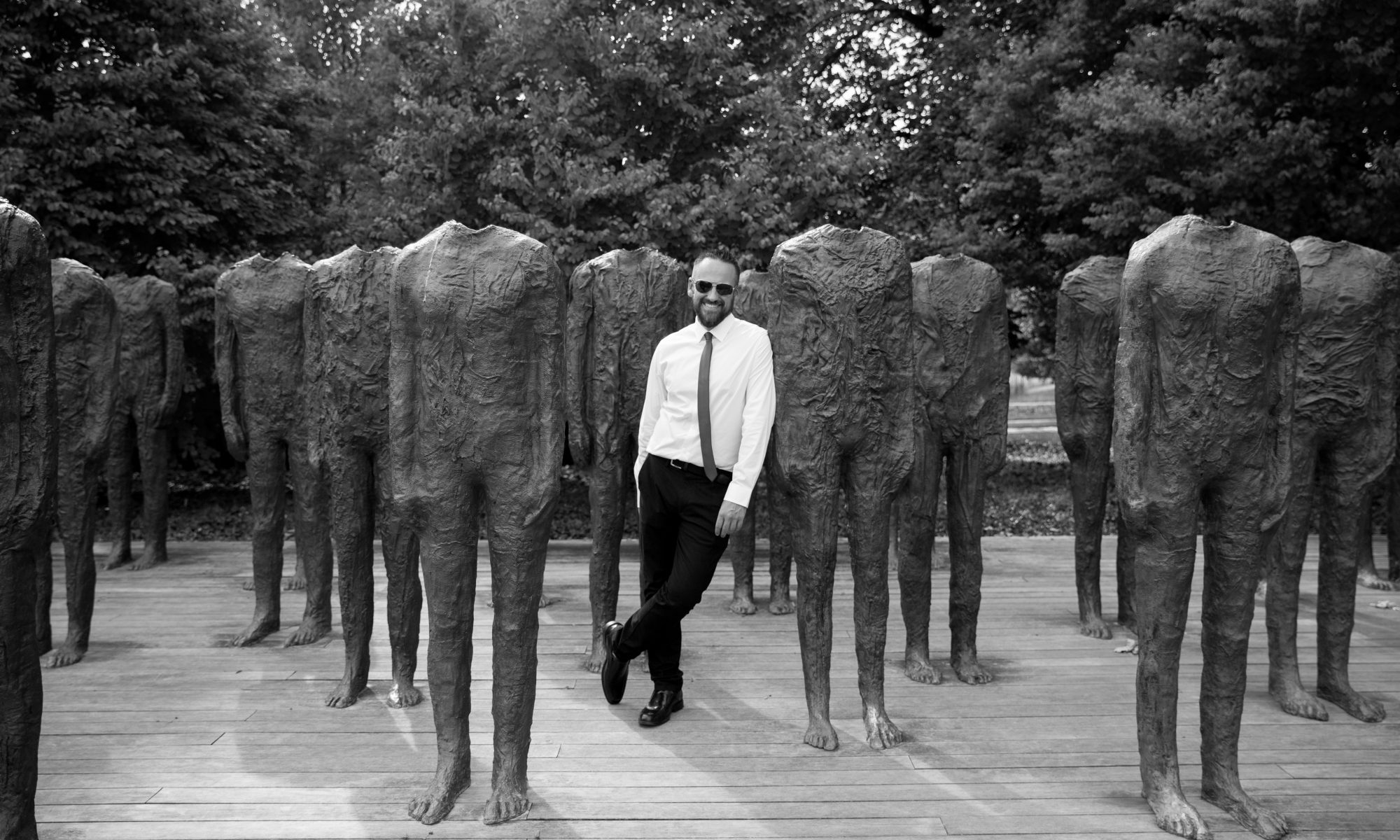


ACTUAL student-centered education occurs when we design our classes, pedagogies and assessments around individual student skill attainment. The calculation of “what works” cannot simply boil down to teacher preference.

One of the most common things you hear at music education conferences is the phrase: “I just do what works for me.”
It sounds harmless, even pragmatic. But whenever I hear it, a red flag goes up. Because “what works for me” usually means what gets me through the rehearsal, keeps the room orderly, and gets the concert ready in time. It’s an adult-centered answer to a student-centered question. The real question is: Is it working for the kids? And how do we actually know?
In music education, we have a unique blessing: we don’t have state politicians breathing down our necks with standardized testing mandates. That’s a good thing. But the flip side is that without external checks, we can easily confuse great concert performances with actual student learning. In math or science, nobody confuses watching a flashy lab demonstration with real scientific literacy.

Today, I want to challenge how we adopt new pedagogy, why our metric must shift from teacher comfort to student autonomy, and how a “Give Them Tools” philosophy provides the concrete, measurable evidence that our students are actually becoming independent musicians.


Be Sure to Find Choralosophy on TikTok!
For future rehearsal clips, find me on TikTok, Insta and Facebook


@choralosophypodca